
Therapy For Medical Trauma
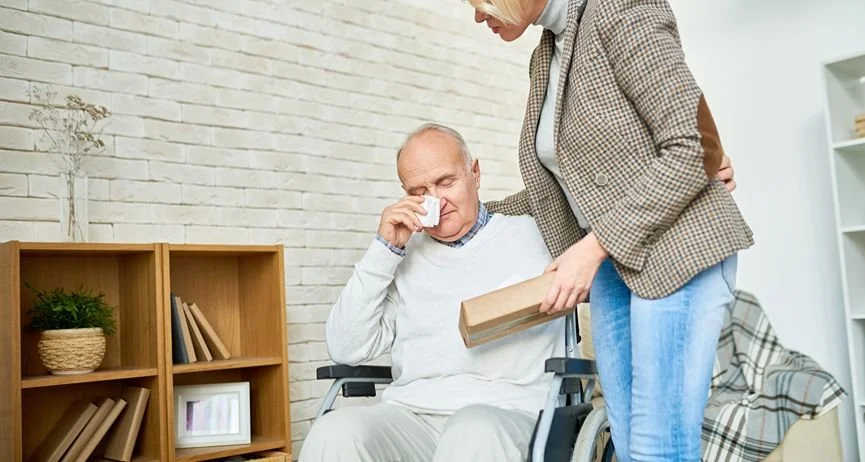
The emotional effects of a medical experience do not always go away once you leave the hospital. That is why Dr. Valerie Leclercq offers therapy for medical trauma in Henderson and online throughout Nevada, providing compassionate support as you process what happened, ease anxiety around future medical care, and begin feeling safer and more confident moving forward.
What Is Medical Trauma?
Medical trauma isn't only about what happened during a medical event. It's shaped by how your mind and body experienced it. A frightening diagnosis, emergency surgery, a difficult childbirth, an ICU stay, or any healthcare experience that left you feeling powerless or unsafe can leave lasting emotional effects, even after your body has fully healed.
You may find yourself replaying conversations with doctors, dreading future appointments, or feeling overwhelmed by memories of treatment. That's your nervous system trying to protect you after something that felt threatening. Working with a medical trauma therapist can help you understand why these reactions happen and how healing is possible.
Signs Medical Trauma May Be Affecting You
You might not always connect your anxiety to what happened in a healthcare setting. Common signs include:
Anxiety before medical appointments or procedures
Avoiding doctors or medical care altogether
Intrusive memories or nightmares about treatment
Difficulty trusting healthcare providers
If any of this sounds familiar, you don't have to carry it alone.
Why Your Nervous System May Still Feel Unsafe
Trauma affects the nervous system. During frightening medical experiences, your brain shifts into survival mode. Even after the event is over, your body may continue reacting as though danger is still present. This is why something as simple as scheduling an appointment, driving past a hospital, or hearing medical terminology can trigger intense anxiety.
Trauma-informed therapy focuses on helping your nervous system recognize that the threat has passed. Rather than forcing yourself to "move on," therapy helps your brain and body gradually experience safety again.
EMDR Therapy For Medical Trauma
As an EMDR Certified therapist, Dr. Valerie Leclercq incorporates evidence-based approaches that help clients process traumatic experiences without becoming overwhelmed by them.
EMDR therapy for medical trauma (Eye Movement Desensitization and Reprocessing) helps the brain reprocess distressing memories so they no longer carry the same emotional intensity. Instead of repeatedly reliving frightening moments, you can begin remembering them without feeling emotionally trapped by them.
EMDR therapy is always individualized, moving at a pace that feels emotionally safe and manageable.
What To Expect In Sessions
Every client starts with a conversation about what happened and what you're hoping therapy can help with. From there, Dr. Leclercq builds a treatment plan around your specific experience, often incorporating EMDR alongside support for related concerns like anxiety, grief, or relationship stress. Sessions are available in person at her Henderson office or online for clients across the Las Vegas Valley, always at a pace that feels safe for you.
How Trauma Therapy Can Help You Move Forward
Healing from medical trauma isn't about forgetting what happened. It's about reducing its hold on your daily life so you can feel more present, confident, and emotionally secure.
Goals Of Medical Trauma Therapy
Reduce Anxiety Related To Medical Settings
Process Traumatic Memories Safely
Rebuild Trust In Your Body & Healthcare Experiences
Restore Confidence In Seeking Necessary Medical Care
Compassionate Support For Medical Anxiety & Related Concerns
Depending on your needs, treatment may naturally integrate support for anxiety, trauma recovery, life transitions, grief, or relationship concerns, creating a more comprehensive path toward healing.
Frequently Asked Questions
-
Medical trauma often shows up alongside anxiety, grief, or relationship stress, and treatment is tailored to address all of it together, not just the trauma on its own.
-
EMDR is one of the tools Dr. Leclercq uses as an EMDR Certified therapist, but treatment is always individualized based on what feels right for you.
-
No. Many clients come in simply knowing a medical experience affected them, without a formal diagnosis. That's a completely valid reason to reach out.
-
Yes, Dr. Leclercq offers online therapy for clients throughout the Las Vegas Valley in addition to in-person sessions at her Henderson office.
-
Reach out through the contact form on this page or call (504) 662-4253 to schedule an appointment.
Begin Healing With Compassionate Medical Trauma Therapy
If you're struggling with fear of doctors, hospital anxiety, or the lingering emotional effects of a difficult diagnosis, you don't have to carry the weight alone.
With nearly 30 years of experience and certification in EMDR, Dr. Valerie Leclercq provides compassionate, trauma-informed, inclusive care for individuals healing from medical trauma in Henderson and across the Las Vegas Valley. Through personalized medical trauma therapy, you'll have the opportunity to process your experiences, calm your nervous system, and rebuild a sense of safety at a pace that feels right for you.