
Therapy For Agoraphobia
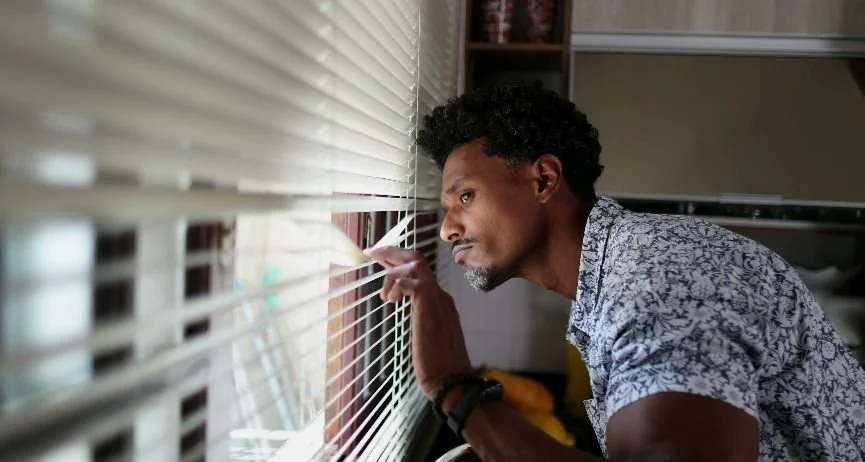
Crowded stores make your chest tighten. Driving feels overwhelming. Being too far from home triggers panic. Over time, your world may start feeling smaller and smaller. If this sounds familiar, you may be experiencing agoraphobia.
Agoraphobia is more than shyness or introversion. It’s an anxiety disorder that can make everyday situations feel emotionally and physically overwhelming. The good news is that healing is possible. Working with agoraphobia therapist Dr. Valerie Leclercq, in Henderson and the greater Nevada area, can help you gradually rebuild confidence, safety, and freedom in your daily life.
What Is Agoraphobia? Understanding The Meaning Behind The Fear
So, what is agoraphobia exactly? Agoraphobia is an anxiety disorder involving intense fear of situations where escape may feel difficult, help may not be available, or panic symptoms could occur. This fear is often connected to environments that feel unpredictable, overstimulating, or emotionally unsafe.
Situations You May Avoid
Crowded Public Places
Driving Or Traveling Alone
Standing In Lines Or Being In Enclosed Spaces
Leaving Home Without A Trusted Person
Situations Where You Fear Panic Or Embarrassment
The meaning of agoraphobia is often misunderstood. It’s not simply “fear of leaving the house.” It’s fear connected to feeling trapped, overwhelmed, helpless, or unable to escape distress.
How Agoraphobia Can Quietly Change Your Daily Life
Agoraphobia often develops gradually. What starts as avoiding one stressful situation can slowly expand into avoiding many environments altogether. You may begin planning your life around what feels emotionally “safe,” limiting activities, social events, work opportunities, or travel. Over time, this avoidance can increase anxiety rather than reduce it.
You might also feel frustrated with yourself, wondering why tasks that seem easy for others feel so difficult for you. This self-criticism can deepen feelings of shame and isolation, but agoraphobia is not a personal failure. It’s a treatable anxiety condition rooted in fear responses and nervous system overwhelm.
Common Signs & Symptoms Of Agoraphobia
Recognizing the signs of agoraphobia can help you better understand what you’re experiencing and when to seek support. These symptoms can vary in intensity, but they often interfere with daily functioning and emotional well-being.
Intense Anxiety In Public Or Crowded Places
Fear Of Being Unable To Escape During Panic Symptoms
Avoidance Of Stores, Highways, Elevators, Or Travel
Panic Attacks Or Physical Anxiety Symptoms Outside The Home
Reliance On “Safe” People Or Routines To Feel Secure
Feeling Trapped, Overwhelmed, Or Emotionally Unsafe In Certain Environments
Difficulty Leaving Home Alone
Agoraphobia Vs. Social Anxiety: Understanding The Difference
Many people confuse agoraphobia with social anxiety, but the two conditions are different. Social anxiety centers around fear of judgment, embarrassment, or rejection in social interactions. Agoraphobia focuses more on fear of panic, loss of control, or being unable to escape distressing situations.
For example, with social anxiety, you may fear being negatively evaluated by others. With agoraphobia, you may fear becoming trapped or unable to get help if anxiety intensifies. Some individuals experience both conditions at the same time, which is why individualized therapy is important.
What Causes Agoraphobia?
There isn’t one single cause of agoraphobia. Instead, it often develops through a combination of biological, psychological, and environmental factors. Agoraphobia may develop after a panic attack in a public place. The brain begins associating similar environments with danger, even when no real threat exists.
Common Causes & Risk Factors For Agoraphobia
A History Of Panic Attacks Or Panic Disorder
Chronic Anxiety Or Heightened Nervous System Sensitivity
Stressful Or Traumatic Life Experiences
Family History Of Anxiety Disorders
Fear Conditioning After A Distressing Event
Ongoing Avoidance Behaviors That Reinforce Fear
According to Mayo Clinic, agoraphobia can begin in childhood, but more typically begins in the late teen or early adult years, before age 35.
How Therapy Helps You Rebuild Safety & Confidence
Effective agoraphobia counseling and therapy focus on helping you gradually reduce fear and avoidance. You also work with your therapist on building emotional regulation and nervous system resilience. You are never forced into overwhelming situations before you feel ready. Therapy works at a pace that feels supportive and manageable.
How Agoraphobia Therapy Can Help
Understand The Connection Between Anxiety & Avoidance
Learn Grounding & Calming Strategies
Reduce Fear Of Panic Symptoms
Build Confidence Through Gradual Exposure Work
Improve Emotional Regulation & Coping Skills
Strengthen Trust In Yourself & Your Ability To Navigate Anxiety
With time and consistency, agoraphobia therapy can help your world begin to feel accessible again.
Trauma-Informed Therapy & Anxiety Disorders
Agoraphobia can also be connected to deeper experiences of trauma, chronic stress, or emotional overwhelm. This is why trauma-informed therapy can be especially helpful. A trauma-informed approach recognizes that your nervous system may be responding to past experiences - not weakness or lack of willpower. This type of therapy creates emotional safety first, helping you feel supported rather than pressured during treatment.
Begin Agoraphobia Counseling In Henderson, NV
If anxiety and avoidance have started limiting your daily life, you do not have to face it alone. Dr. Valerie Lacercq provides compassionate, individualized agoraphobia therapy designed to help you feel safer, more confident, and more connected to your life again. Reach out today to begin therapy in Henderson, or throughout Nevada with convenient online counseling sessions.