
Therapy for Breast Cancer Survivors
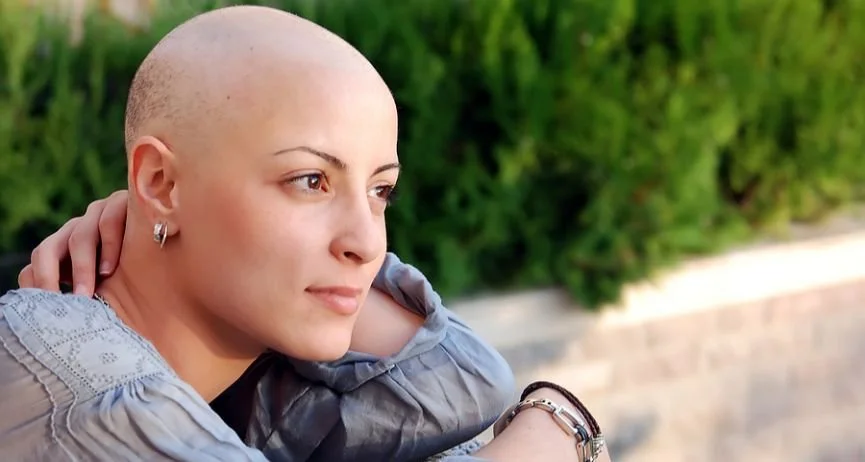
Therapy for breast cancer survivors in Henderson with Dr. Valerie Leclercq offers a private, supportive place to work through the emotional effects that can remain during or after cancer treatment. As a breast cancer survivor herself, Dr. Valerie Leclercq understands how much can stay with you after treatment ends. She offers therapy for breast cancer survivors who are dealing with fear of recurrence, anxiety around medical care, depression, changes in body image, medical trauma, or simply trying to feel like themselves again.
Book your session when you’re ready to talk about what you’ve been carrying.
Get Support for the Emotional Effects of Breast Cancer
Finishing treatment doesn’t always mean the emotional impact is over.
You may still be dealing with:
Fear that cancer will return
Anxiety before scans or medical appointments
Depression or emotional numbness
Changes in body image or confidence
Difficulty reconnecting with your partner
Distressing memories from treatment
Feeling uncertain about what comes next
The National Cancer Institute also recognizes that cancer survivors may continue experiencing anxiety, emotional distress, body-image concerns, and fear of recurrence after treatment.
If anxiety or depression has become a larger part of what you’re experiencing, Dr. Leclercq also provides anxiety therapy and depression therapy.
Work Through Medical Trauma at Your Own Pace
Cancer treatment can involve frightening procedures, difficult diagnoses, hospital stays, and moments where you felt little control over what was happening.
Those experiences can stay with you long after treatment ends.
Dr. Leclercq provides trauma-informed therapy that helps you work through what happened without rushing you or asking you to revisit painful memories before you’re ready.
When appropriate, EMDR therapy may also be used to help process distressing medical experiences that continue to affect you.
Find Therapy That Fits What You Need Now
There isn’t one “right” way to feel after breast cancer.
Therapy with Dr. Leclercq is shaped around what you’re experiencing now, whether that means working through fear, rebuilding confidence, processing medical trauma, adjusting to physical changes, or simply having somewhere you can be honest about how difficult this has been.
Her care includes:
Nearly 30 years of clinical experience
Trauma-informed, evidence-based therapy
EMDR Certified care
Individual therapy for adults
In-person sessions in Henderson
Online therapy throughout Nevada and Louisiana
FAQs About Therapy For Breast Cancer Survivors
-
Yes. Emotional responses can surface long after medical care ends. Therapy supports healing at any point in survivorship.
-
Trauma-informed therapy, including EMDR for medical trauma, along with supportive and cognitive-based approaches, are often effective. Your therapist will tailor treatment to your needs.
-
Absolutely. Therapy helps you manage uncertainty, reduce health-related anxiety, and regain a sense of emotional control.
-
While not required, many clients find it deeply validating and effective to work with the best breast cancer therapist for their needs - someone who understands cancer’s emotional impact without explanation.
Work With A Breast Cancer Therapist Who Understands Your Experience
You went through something that changed you. You deserve care that honors the full weight of that experience. Dr. Valerie Leclercq offers therapy for breast cancer survivors in Henderson with nearly 30 years of clinical experience, EMDR Level II Certification, and the unique perspective of a survivor herself. In-person and online therapy options are available. Schedule a session today and take the first step toward emotional healing at your own pace.