
Therapy For Social Anxiety Disorder
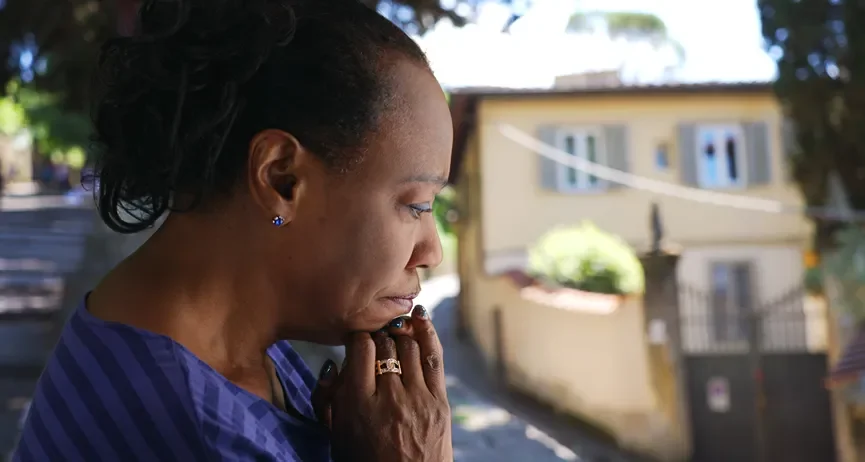
Social anxiety disorder therapy with Dr. Valerie Leclercq in Henderson, Nevada, can help when fear of judgment, embarrassment, or rejection begins controlling where you go and how you interact with others. You may rehearse conversations beforehand, avoid speaking up, or replay an interaction for hours afterward. You may even turn down opportunities because being noticed feels too uncomfortable.
Through compassionate individual counseling, Dr. Leclercq helps adults identify anxiety triggers, change unhelpful thought patterns, and gradually feel more comfortable in social situations.
Schedule an appointment today to learn how social anxiety therapy can help you feel more comfortable and confident in everyday interactions.
Social Anxiety Is More Than Feeling Shy Around Other People
Feeling nervous before meeting someone new, attending an event, or speaking in front of a group doesn't necessarily mean you have social anxiety disorder. Social anxiety, sometimes called social phobia, involves a more persistent fear of being judged, embarrassed, rejected, or negatively evaluated by other people.
You may want to participate but feel unable to get past the anxiety. The National Institute of Mental Health (NIMH) explains that social anxiety can affect situations ranging from meeting new people and dating to interviewing for a job, asking for help, or simply talking with a cashier. When those fears begin interfering with relationships, work, activities, or your quality of life, therapy for social anxiety can help.
Social Anxiety Affects Ordinary Moments In Unexpected Ways
Your anxiety may not appear in every social situation. You may feel comfortable with family but become extremely self-conscious around unfamiliar people. You might manage one-on-one conversations but struggle with groups, meetings, parties, or situations where attention is focused on you.
Social anxiety can look different from person to person. What matters is how much fear and avoidance affect the life you want to live.
Signs Of Social Anxiety Disorder In Adults
Intense fear of social situations where you could be noticed or evaluated
Worry about saying or doing something embarrassing
Difficulty talking to people, making eye contact, or starting conversations
Physical symptoms such as sweating, trembling, nausea, or a racing heart
Anticipatory anxiety for days or weeks before an upcoming interaction
Avoiding meetings, gatherings, dating, phone calls, or other social situations
Replaying conversations afterward and focusing on perceived mistakes
Relying on safety behaviors to make interactions feel less threatening
Why Do Social Situations Make Me So Anxious?
When you expect criticism, rejection, or embarrassment, your nervous system may respond as though you're facing a threat. Your heart may race, your thoughts may go blank, or you may become overly aware of how others see you. Negative self-talk can worsen these feelings, especially when you assume people are judging you. Social anxiety therapy helps you recognize these patterns and develop healthier ways to respond.
Avoiding Social Situations Can Make Anxiety Worse
Skipping a gathering, staying quiet during a meeting, or avoiding a phone call may bring temporary relief. However, repeated social avoidance can reinforce your fear and make future interactions feel even harder. Counseling for social anxiety helps you break this cycle by building coping skills and gradually approaching situations you've been avoiding.
Social Anxiety Therapy Builds Skills You Can Use Outside The Office
Effective social anxiety disorder treatment is active and individualized. Therapy can help you understand your anxiety triggers, challenge unhelpful assumptions, regulate intense emotional responses, and practice new behaviors in manageable steps.
What You Can Work On In Social Anxiety Counseling
Recognizing anxiety triggers and patterns of avoidance
Challenging fear of negative evaluation and harsh self-criticism
Developing practical coping and emotional regulation strategies
Reducing reliance on safety behaviors and reassurance
Building communication and interpersonal skills
Strengthening self-esteem and social confidence
Approaching previously avoided situations gradually
Creating healthier, more satisfying interpersonal relationships
The goal isn't to turn you into an extrovert or eliminate every nervous feeling. Therapy helps anxiety take up less space, so you have more freedom to make decisions based on what matters to you.
Gradual Exposure Can Help You Stop Avoiding Social Situations
One evidence-based component of anxiety treatment is gradual exposure. This doesn't mean throwing you into your most frightening situation and expecting you to cope. Exposure-based strategies involve progressively approaching situations you've been avoiding so your brain has opportunities to learn that anxiety can be tolerated and managed.
Exposure therapy is a CBT method that progressively addresses underlying fears and helps people reengage with activities they have avoided. Your starting point might be making a brief phone call, asking a question, contributing to a conversation, or staying at a gathering slightly longer. Progress can build through achievable experiences rather than pressure.
Cognitive Behavioral Strategies Address The Thoughts Behind Social Fear
Cognitive behavioral therapy (CBT) is one of the most extensively studied psychotherapies for social anxiety disorder. CBT is a research-supported treatment that can help change patterns of thinking, behaving, and reacting that contribute to anxiety.
In social anxiety therapy, cognitive behavioral strategies can help you examine assumptions about how other people see you. Instead of automatically accepting "They're judging me" as fact, you can learn to evaluate the thought more realistically. Over time, changing these thought and behavior patterns can make social situations feel less threatening.
Trauma-Informed Care Looks At More Than The Anxiety Symptom
Sometimes social fear exists alongside painful experiences that have affected your sense of emotional safety. Bullying, rejection, criticism, abuse, or other traumatic experiences may influence how you perceive yourself and other people.
A trauma-informed care approach allows therapy to consider those experiences without assuming trauma is the cause of every case of social anxiety. If trauma, depression, or other emotional concerns are part of what you're experiencing, Dr. Leclercq can address those needs within a comprehensive treatment plan. This also creates natural connections with trauma therapy, EMDR therapy, and depression therapy when appropriate.
When Should You See A Therapist For Social Anxiety?
You don't need to wait until you have severe social anxiety or become completely isolated. Consider speaking with a social anxiety therapist when fear regularly determines what you say yes or no to.
Therapy may be particularly useful when anxiety interferes with your career, education, friendships, dating, family relationships, or ability to complete routine tasks. NIMH recommends seeking professional help when anxiety begins causing problems in everyday life, including avoidance involving work, school, friends, or family.
What To Expect When You Begin Social Anxiety Therapy
Your first sessions focus on understanding how social anxiety affects your daily life. Dr. Leclercq will explore your concerns, identify situations that trigger anxiety, and work with you to establish realistic treatment goals. From there, therapy can focus on building coping skills, addressing negative thought patterns, and gradually reducing avoidance. Your treatment plan will reflect your individual needs, comfort level, and progress.
Individual Counseling Gives You Room To Work At Your Own Pace
Starting therapy can feel intimidating, especially if talking to unfamiliar people is something you find difficult. You don't need to arrive knowing exactly what to say. Individual counseling offers a private setting where you can get comfortable with the therapeutic process at your own pace.
With nearly 30 years of clinical experience, Dr. Valerie Leclercq provides compassionate, evidence-based care tailored to your needs. Your treatment can focus on practical changes you want to make, whether that means contributing more confidently at work, developing friendships, dating, attending events, communicating more openly, or simply completing everyday interactions with less anxiety.
Frequently Asked Questions About Social Anxiety Disorder Therapy
-
Yes. Social anxiety disorder is treatable. Treatment may include psychotherapy, medication, or a combination, depending on your individual circumstances. CBT is a well-studied psychotherapy for social anxiety, and exposure-based approaches can help reduce avoidance and build confidence over time.
-
Shyness can make certain interactions uncomfortable without significantly interfering with your life. Social anxiety disorder involves persistent fear of scrutiny or negative judgment that can lead to significant distress or avoidance. A therapist can help determine whether what you're experiencing is social anxiety or another concern.
-
Yes. Therapy can address the thoughts, physical anxiety, avoidance patterns, and communication difficulties that make interactions stressful. You can practice coping and communication strategies while gradually building confidence in situations that once felt intimidating.
-
No. Evidence-based social anxiety treatment can include gradual exposure, but the process is progressive. You and your therapist can identify manageable steps that allow you to practice responding differently to anxiety while building skills and confidence along the way.
-
Yes. Social anxiety often begins earlier in life, but symptoms can persist into adulthood or become more noticeable when work, relationships, or other responsibilities increase social demands. NIMH estimates that 12.1% of U.S. adults experience social anxiety disorder at some point in their lives.
Build Social Confidence With Therapy In Henderson, NV
If fear of judgment, anxiety around groups, or social avoidance is keeping you from relationships, opportunities, and experiences that matter to you, Dr. Valerie Leclercq offers social anxiety disorder therapy in Henderson and throughout Nevada. Her compassionate approach combines decades of clinical experience with individualized, evidence-based care for adults.
You don't have to become fearless to start living more fully. With therapy for social anxiety, you can learn to understand your anxiety, approach situations differently, and build confidence one manageable step at a time. Contact Dr. Leclercq today to schedule an appointment and learn more about social anxiety treatment.